9+ curated guides • Updated December 2025
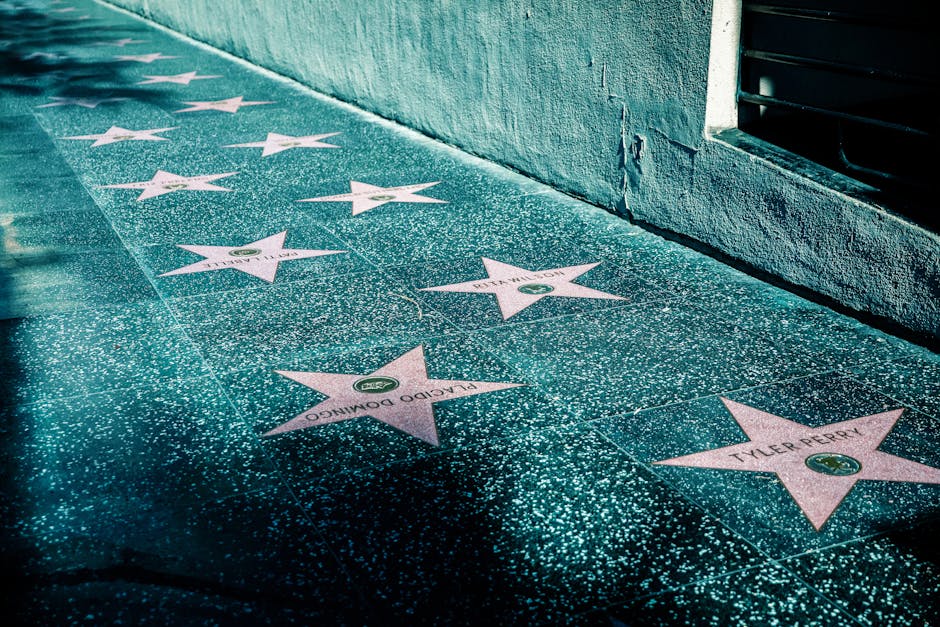
Picture it: a smoke-filled room, clinking whiskey glasses, and Frank Sinatra getting publicly filleted by his closest friends on national television. The jokes were brutal, the stereotypes were rampant, and the entire spectacle would send a modern PR team into a meltdown. But looking back, were the Dean Martin Roasts simply a relic of a less-enlightened time, or were they the last gasp of an authentic celebrity culture we've traded for carefully curated perfection?
You know the face, but what's in the name? When Archibald Leach arrived in Hollywood, studios knew he needed a name with more star power, and 'Cary Grant' was born. This wasn't just a simple change; it was a calculated branding move, the first step in crafting an icon. We'll uncover the hidden world of celebrity names, exploring why the right moniker is one of the most powerful and deliberately chosen tools in the business of fame.
For decades, the image of a Black celebrity man was often confined to a narrow box: the stoic athlete, the hyper-masculine rapper, or the suave, unbreakable hero. But look closer at today's cultural landscape, and you'll witness a quiet, powerful revolution. A new generation is challenging these rigid archetypes, offering a more expansive and authentic vision of what it means to be a man. By leveraging their platforms in fashion, music, and public life, these influential figures are not just breaking rules—they are writing entirely new ones, providing a more nuanced and humanizing blueprint for Black masculinity in the 21st century.
Look past the designer sneakers and vintage denim in today's most compelling street style photos. The real story isn't in the clothes; it's in the gear. We're witnessing the rise of the 'accidental accessory,' where items designed for pure function have become the ultimate, unexpected markers of personal style. This phenomenon, which I term 'utilitarian bling,' is a silent rebellion against the curated perfection of traditional fashion. It favors the scuffed, the practical, and the proven. In this cultural shift, a rock-climber's carabiner, a battered Nalgene bottle, or the ubiquitous white stems of AirPods dangling from the ears are no longer just tools—they are the new status symbols, broadcasting a narrative of a life lived beyond the runway.
A multi-million dollar premiere is hours away, the flashbulbs are waiting, and a tell-tale tingle appears on a star's lip. For a celebrity, this isn't just a minor inconvenience; it's a potential PR crisis that can dominate headlines. Forget the drugstore remedies—this is a look inside the covert playbook of stylists, publicists, and makeup artists who are the first responders in a red-carpet cold sore catastrophe. In my years navigating the shark-infested waters of Hollywood, I've seen a tiny blister derail a press tour faster than a bad box office report. What the public sees is a flawless smile; what I see is a masterful execution of what we call the 'Three-Pronged Defense,' a symphony of subterfuge designed to protect the star, the brand, and the bottom line.
The gyaru aesthetic was born from a rebellion of glorious excess—more glitter, more charms, more everything. But as the world leans into minimalism and sustainability, how does this unabashedly maximalist style survive? Far from fading away, a new generation is proving that you can be both eco-conscious and outrageously decorated. This isn't a contradiction; it's an evolution. The spirit of gyaru was never just about buying things; it was about defiant self-expression. Today, that defiance is aimed squarely at the twin pressures of minimalist conformity and fast-fashion wastefulness, creating one of the most exciting and resourceful movements in modern street style.
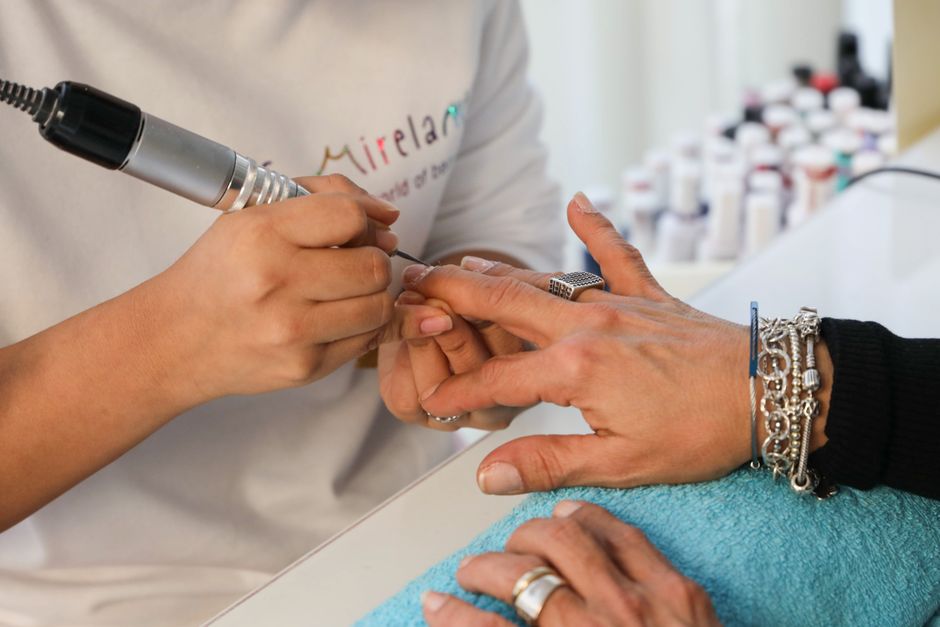
Remember the rush for Y2K-inspired butterfly charms and neon enamel rings in 2022? Many of those trends have now been relegated to the back of our jewellery boxes. But a select few have shown surprising staying power, proving they were more than just a fleeting fad. We're critically re-examining the biggest hits of 2022 to see what's still worth wearing today. This isn't just about what was popular; it's about what had substance. It's time to separate the stylistic sugar rush from the pieces that became part of a well-balanced sartorial diet.
You typed 'Folli Follie watch made in,' likely searching for a simple answer—a country of origin that speaks to quality. But with this particular brand, that simple question unravels a complex story of global supply chains, marketing illusions, and one of the biggest scandals in modern fashion. The label on the back of the watch is only the beginning. It's a breadcrumb that leads not to a quaint workshop in Greece, as the brand's sun-drenched marketing might suggest, but to the sprawling, hyper-efficient factories of Asia where the modern fashion accessory is truly born. This isn't just a Folli Follie story. It's the story of nearly every glossy, brand-name watch you see advertised on social media, and understanding it is the key to becoming a smarter consumer.
That 70-inch TV for 50% off seems like a steal, but is it? Before you join the digital stampede, understand that many Black Friday 'deals' are designed to trick you into spending. We're here to reveal the psychological traps and perennial duds, ensuring the only thing you get this year is genuine value. Our analysis of multi-year pricing data and retail strategies shows that some of the most-hyped discounts are merely clever illusions. This isn't about skipping the sales; it's about navigating them with surgical precision, armed with data that retailers hope you'll ignore. We're pulling back the curtain on the products that consistently fail to deliver on their promises.